
June 10 |
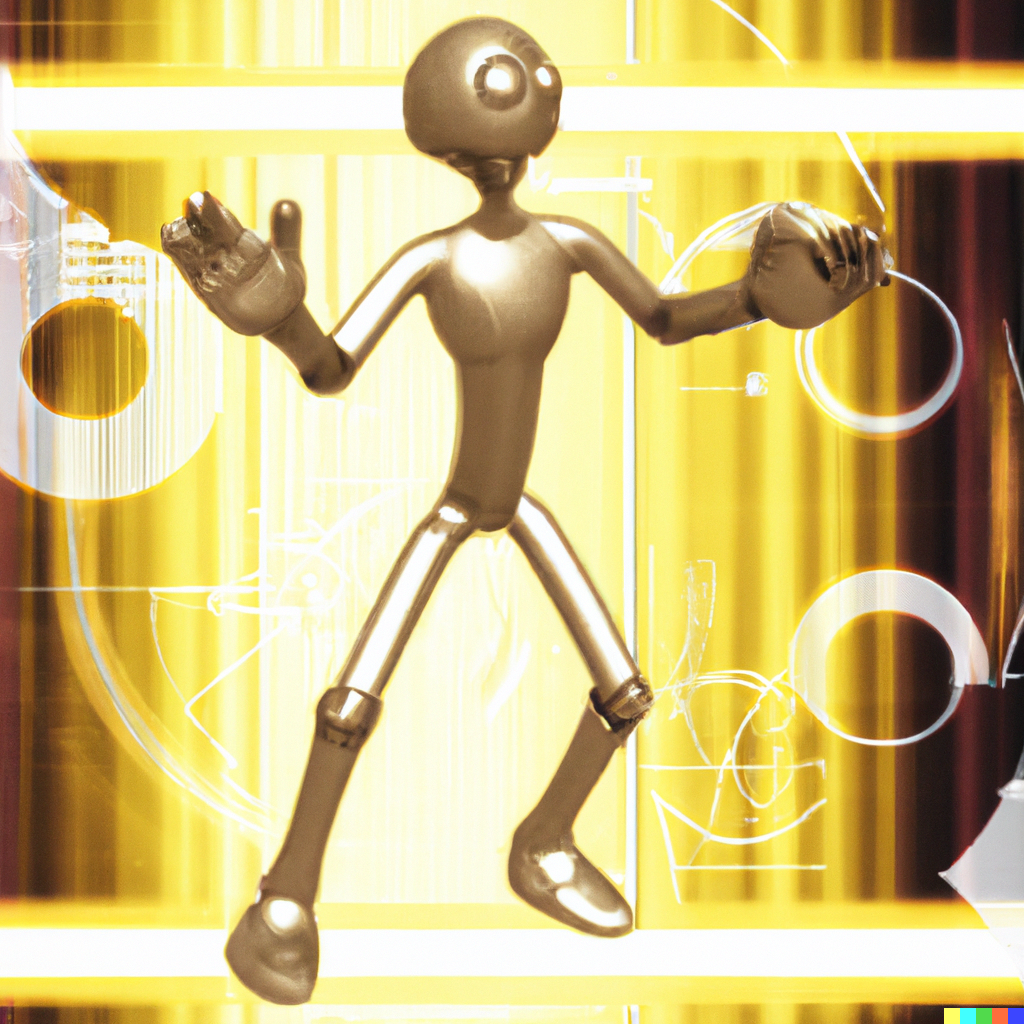
Anime has evolved from hand-drawn cel animation into a sophisticated blend of art, technology, and innovation. Today, a new movement known as Animation Technology (AnimeTech) is reshaping how animated content is produced, distributed, and experienced. AnimeTech combines traditional animation principles with advanced technologies such as artificial intelligence (AI), computer-generated imagery (CGI), motion capture, real-time rendering, and virtual production to create more efficient and visually stunning workflows.
As global demand for anime and animated content continues to grow, studios are increasingly adopting technological solutions to streamline production while maintaining artistic quality. The result is a new era where creativity and technology work hand in hand to push the boundaries of visual storytelling.
For decades, anime production relied heavily on labor-intensive hand-drawn techniques. Artists created thousands of individual frames, painted cels manually, and assembled scenes through complex compositing processes. While these methods produced iconic works, they were time-consuming and expensive.
The digital revolution introduced software-based workflows that replaced traditional cel painting and enabled faster production cycles. Today, most studios employ hybrid pipelines that combine digital drawing, 3D modeling, compositing, and visual effects to achieve both artistic flexibility and production efficiency.
Artificial intelligence is becoming one of the most influential technologies in modern animation. Rather than replacing artists, AI is primarily being used to automate repetitive tasks such as:
These applications allow animators to spend more time on creative decisions such as character acting, storytelling, and visual direction. Industry experts note that AI currently delivers the greatest value by reducing production bottlenecks while keeping core creative work in human hands.
Recent industry discussions have also highlighted the importance of maintaining ethical standards, transparency, and artistic integrity as AI tools become more common in production pipelines.
The integration of 3D computer graphics into anime has significantly improved over the past decade. Modern CGI tools allow studios to create complex environments, dynamic camera movements, large-scale action sequences, and realistic lighting effects that would be difficult to achieve through traditional animation alone.
Rather than replacing 2D animation, many studios use CGI as a complementary technology. Hybrid workflows preserve the visual charm of hand-drawn anime while benefiting from the efficiency and flexibility of 3D production methods. Industry leaders have demonstrated that carefully integrated CGI can coexist successfully with traditional anime aesthetics.
Motion capture (MoCap) has become an essential tool for creating realistic character movement. The technology records human performance data and translates it into digital animation, providing animators with a strong foundation for character actions and expressions.
Motion capture is particularly valuable for:
Animators can further refine captured performances to match a project's unique artistic style, making MoCap a powerful complement to traditional keyframe animation rather than a replacement for it.
Real-time rendering engines are transforming animation production by allowing creators to visualize scenes instantly rather than waiting hours for traditional rendering processes. Technologies originally developed for video games are increasingly being used in animated productions to accelerate iteration and improve creative decision-making.
Benefits include:
This technology is enabling studios to experiment with new forms of storytelling while maintaining production efficiency.
Research institutions and technology companies are actively exploring AI-powered animation generation systems capable of producing stylized motion from static artwork, generating anime-style video sequences, and assisting directors throughout the production process. Emerging research demonstrates how machine learning, physics simulations, and generative models can work together to create more dynamic animation workflows.
Although these technologies remain in development, they provide a glimpse into how future animation pipelines may become increasingly adaptive and intelligent.
Modern animation technologies help studios complete projects faster without sacrificing quality. Automation of repetitive tasks allows teams to focus on storytelling, design, and creative innovation.
Advanced rendering techniques, sophisticated visual effects, and improved CGI integration enable creators to produce more immersive and visually compelling experiences.
Technology provides artists with new tools for experimentation, enabling styles and effects that were previously difficult or impossible to achieve within traditional production constraints.
As anime continues to attract audiences worldwide, AnimeTech helps studios meet increasing content demands while managing budgets, schedules, and workforce challenges.
Despite its advantages, AnimeTech also presents challenges.
The growing use of AI has sparked debates regarding intellectual property, training data, artist compensation, and creative ownership. Industry organizations and creators continue to explore frameworks that balance innovation with artistic rights.
Animation professionals must continuously learn new technologies and workflows to remain competitive in an evolving industry. Upskilling and education have become increasingly important.
One of the industry's biggest concerns is preserving the unique artistic qualities that define anime while embracing technological advancement. Many studios emphasize that technology should support creativity rather than replace it.
The future of Animation Technology lies in collaboration between artists and intelligent tools. Emerging developments in AI-assisted production, virtual characters, procedural animation, immersive experiences, and real-time storytelling are expected to further transform the industry.
Future production pipelines may feature:
As these innovations mature, AnimeTech will continue expanding the possibilities of animation while preserving the artistic vision that makes anime unique.
Animation Technology (AnimeTech) represents the next chapter in the evolution of anime and digital storytelling. By combining traditional artistic craftsmanship with cutting-edge technologies such as AI, CGI, motion capture, and real-time rendering, studios can create richer experiences, improve production efficiency, and unlock entirely new forms of creative expression.
The most successful future will not be one where technology replaces artists, but one where technology empowers them. As AnimeTech continues to evolve, it promises to redefine how stories are imagined, produced, and shared with audiences around the world.
SHARE THIS:
© Copyright 2026Global Trailblazer AwardsAll Rights Reserved