
April 21 |
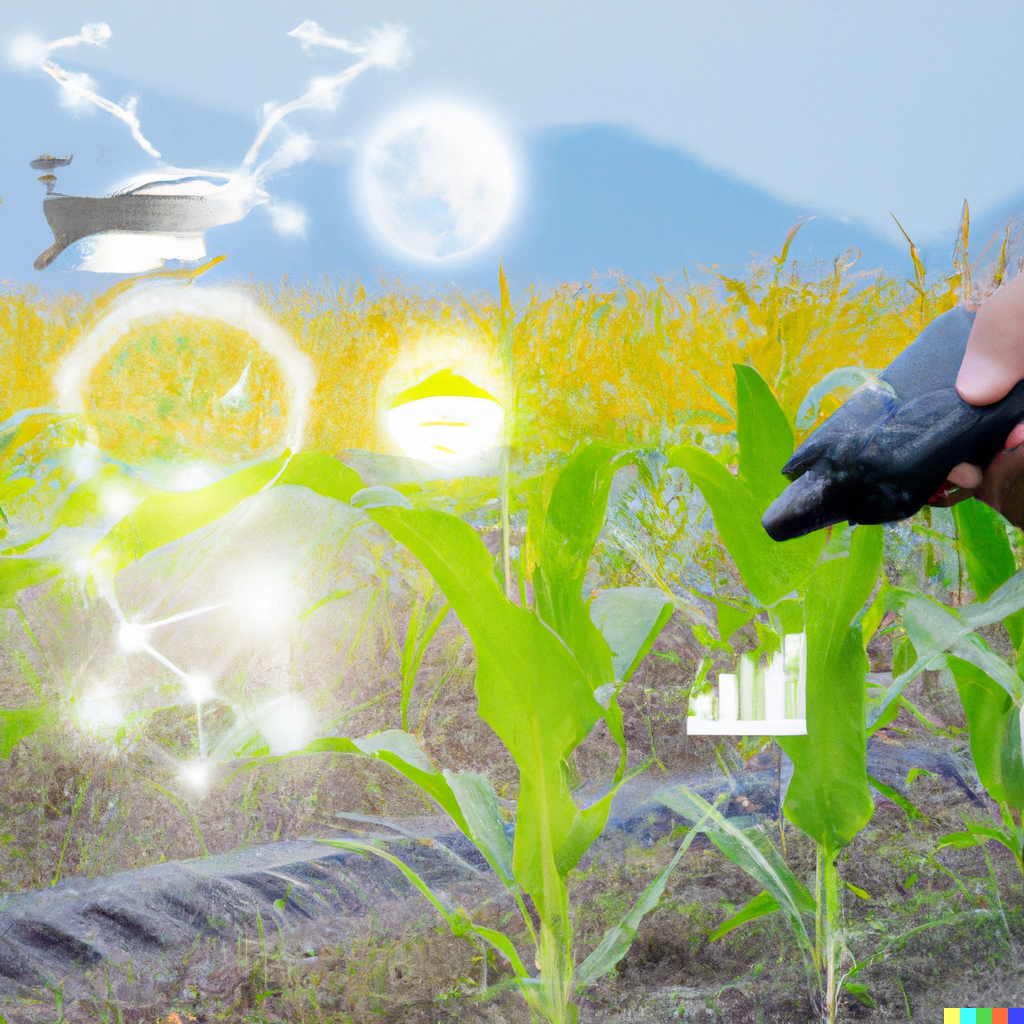
Agriculture is entering a technological renaissance. What was once driven purely by manual labor and traditional techniques is now being reshaped by advanced tools, intelligent systems, and data-driven decision-making. Agricultural Technology (AgriTech) stands at the center of this transformation, ensuring that farming can meet the demands of a growing global population, a changing climate, and limited natural resources.
In this article, we explore what AgriTech is, why it matters, and how groundbreaking innovations—from smart sensors to autonomous tractors—are redefining the agricultural landscape.
AgriTech refers to the use of modern technologies—such as artificial intelligence (AI), robotics, sensors, biotechnology, and data analytics—to improve the efficiency, productivity, and sustainability of agriculture.
This includes innovations across the entire food supply chain: from planting and harvesting to processing and distribution.
By 2050, the world population is projected to reach nearly 10 billion, increasing global food demand by more than 50%. AgriTech enables farmers to grow more food using fewer resources.
Extreme weather, soil degradation, and water scarcity challenge traditional farming. Modern technologies allow farmers to monitor and respond to environmental conditions in real time.
From reducing chemical usage to optimizing irrigation, AgriTech helps minimize the environmental footprint of agriculture.
Technologies that automate repetitive tasks or improve yield forecasting can significantly reduce labor and operational costs.
Precision agriculture uses GPS, satellite imagery, and smart sensors to deliver highly targeted decisions. Farmers can apply fertilizers, pesticides, and water only where needed, drastically reducing waste.
Companies like John Deere have pioneered equipment with smart sensors and autonomous capabilities that support precision farming at scale.
Benefits:
Agricultural drones help farmers gain a bird’s eye view of crop health and field conditions.
Uses include:
With drone-powered analytics, farmers can identify issues early—before they cause significant yield loss.
IoT has brought unprecedented visibility to farms. Sensors monitor soil moisture, nutrient levels, temperature, humidity, and more. Data is sent directly to mobile devices or dashboards.
Popular applications include:
This data allows farmers to make real-time decisions that maximize productivity and minimize waste.
Automation is transforming labor-intensive tasks. Robots can now pick fruits, weed fields, spray crops, plant seeds, and monitor livestock.
Examples include:
Automation directly addresses the global agricultural labor shortage and can operate around the clock with high precision.
Advances in biotechnology help create crops that are more resilient, nutritious, and productive.
Organizations like Bayer Crop Science focus heavily on genetic improvements that help farmers tackle pests, diseases, and climate challenges.
Breakthroughs in this sector include:
AI is the brain of modern agriculture. It analyzes enormous amounts of data from drones, sensors, weather stations, and markets.
AI can:
This empowers farmers with insights that were previously impossible to gather manually.
Smart farms integrate multiple AgriTech tools to create fully connected, data-driven ecosystems. For example, an IoT-based irrigation system might adjust water flow automatically based on sensor data, while AI monitors crop health and robotics handle harvesting.
These farms offer:
SHARE THIS:
© Copyright 2026Global Trailblazer AwardsAll Rights Reserved