
April 24 |
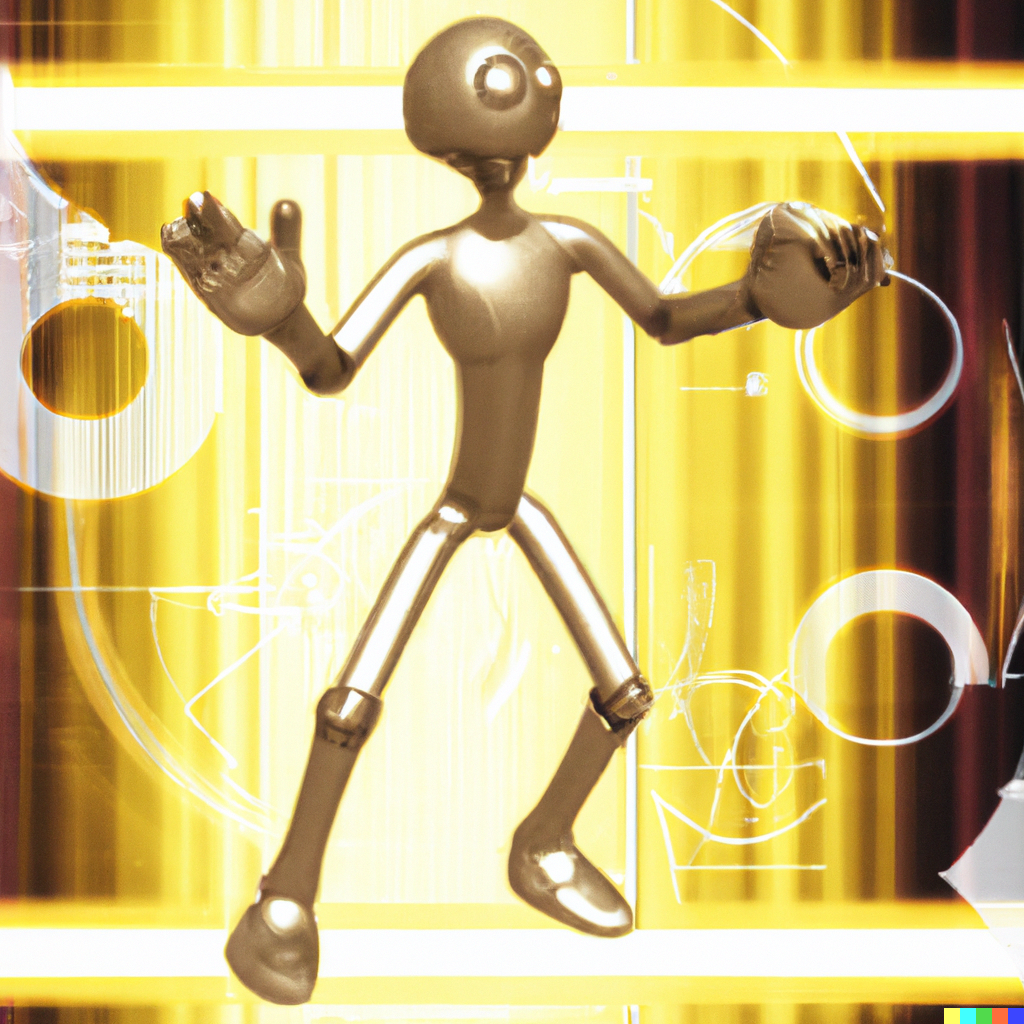
In the last decade, digital animation has undergone a renaissance—one fueled by advancements in computing power, AI-driven tools, virtual production, and creative software ecosystems. At the center of this transformation is Animation Technology, often called AnimeTech: the fusion of cutting-edge technology with artistic expression to create richer, smarter, and more immersive animated experiences.
Today, AnimeTech is not just changing how artists animate; it’s redefining how audiences interact with stories.
AnimeTech represents the suite of technologies, platforms, and tools that support the creation, enhancement, and distribution of animated content. It spans everything from hand-drawn digital tools and 3D modeling software to AI-assisted animation, motion capture, real-time rendering engines, and immersive environments like VR and AR.
In simple terms, it is the technological backbone that makes animation faster, smarter, and more accessible than ever.
The demand for animated content has exploded across industries:
AnimeTech provides the infrastructure to meet these demands with speed and creativity.
AI plays a transformative role by automating repetitive tasks and enhancing artistic workflows.
Modern AI can:
This technology allows creators to focus more on storytelling and less on mechanical labor.
Tools originally built for gaming are now used in film and animation. Real-time rendering engines allow:
Animators can see final-quality results without waiting hours for rendering, revolutionizing studio workflows.
Modern MoCap systems are more affordable and accessible than ever. They capture:
This gives animated characters a natural level of realism that traditionally required thousands of labor hours.
Virtual production blends real-time rendering with motion capture and VR environments, allowing creators to interact with digital worlds as if they were physical sets.
Digital twins—virtual replicas of real environments—help animators plan, prototype, and animate scenes more efficiently.
Procedural systems generate movement based on physics, rules, or algorithms rather than frame-by-frame manual work.
This enables:
Procedural animation is especially important for large-scale animation projects and open-world games.
Cloud rendering and collaborative platforms have opened new possibilities for global teamwork.
Teams can now:
Cloud-native animation is quickly becoming the norm for studios of all sizes.
With AI and cloud tools, even small teams and solo creators can produce high-quality animation previously achievable only by major studios.
Creators can experiment more easily with styles—2D, 3D, hybrid animation, VR experiences, and even interactive storytelling.
AI-driven characters can adjust behaviors and story outcomes based on user interactions—opening doors to adaptive films, games, and educational tools.
AnimeTech now influences:
Animation tech is no longer limited to entertainment.
As powerful as AnimeTech is, it also brings challenges:
Responsible development and ethical guidelines will be vital as the technology continues to evolve.
AnimeTech represents more than just innovation—it’s a new language for creators. The merging of creativity and technology is opening pathways to richer, smarter, and more immersive worlds than ever imagined.
Whether you are an animator, a filmmaker, a game developer, or simply a fan of good storytelling, the rise of Animation Technology marks an exciting turning point. We’re entering a future where anyone can bring their imagination to life with unprecedented ease and fidelity.
SHARE THIS:
© Copyright 2026Global Trailblazer AwardsAll Rights Reserved