
January 15 |
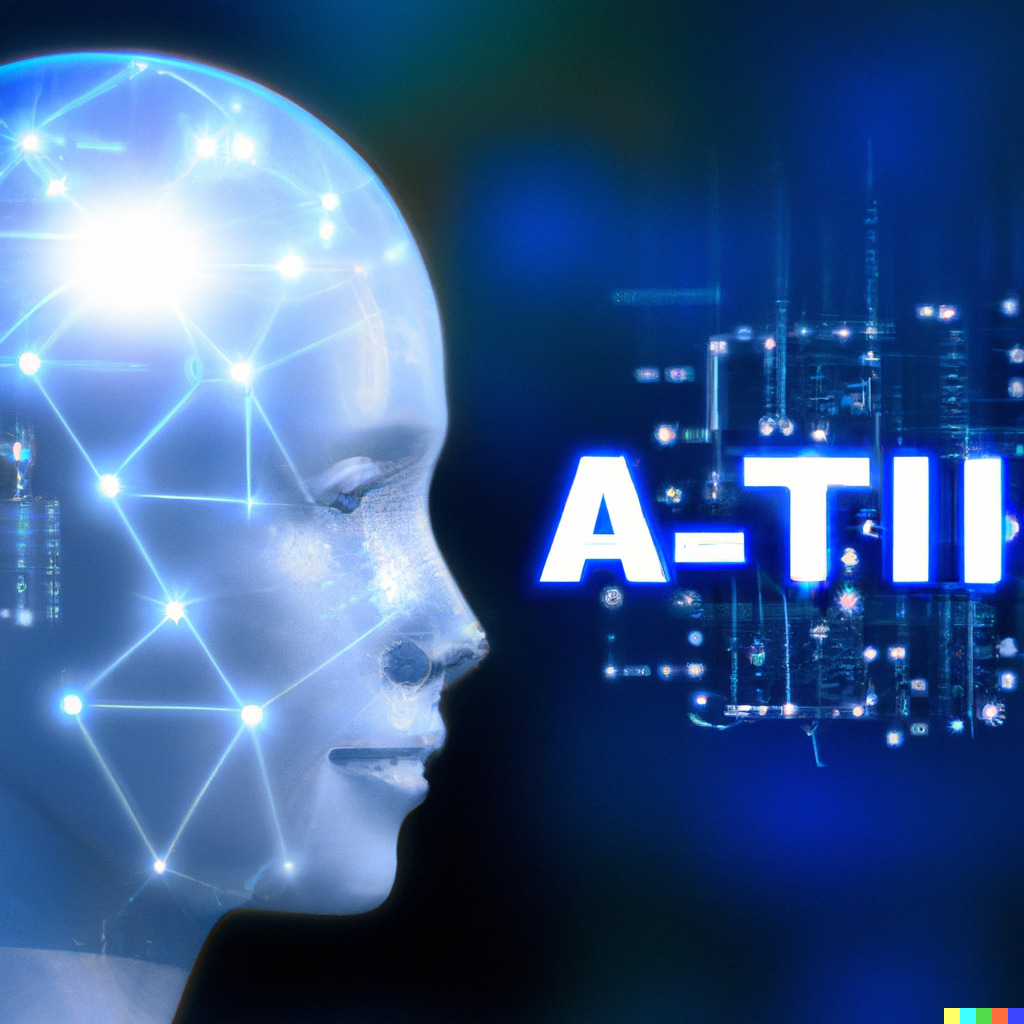
Artificial Intelligence (AI) has quickly evolved from a futuristic concept to one of the most transformative technologies of the modern era. Whether it's powering recommendation engines, detecting diseases earlier than ever, or enabling autonomous vehicles, AI is reshaping how we live, work, and interact with the world. But what exactly is AI, and why is it such a big deal?
In this article, we’ll unpack the fundamentals of AI, explore its real-world applications, discuss the opportunities it creates—and the challenges we must tackle along the way.
Artificial Intelligence refers to the development of computer systems that can perform tasks typically requiring human intelligence. These tasks include:
At its core, AI is about building systems that can mimic or even surpass certain aspects of human cognition.
While AI is a broad field, several major sub-disciplines drive its real-world capabilities:
ML allows machines to learn from data and improve over time without being explicitly programmed. For example, Netflix uses ML to recommend movies tailored to your preferences.
A subset of ML inspired by the human brain’s neural networks. Deep learning powers advanced image recognition, voice assistants, and self-driving cars.
NLP enables machines to understand and generate human language. Tools like ChatGPT are built on NLP technologies.
This field allows machines to interpret and understand visual information—from facial recognition systems to quality control in manufacturing.
Robotics integrates AI with physical machines, allowing robots to perform tasks autonomously in factories, hospitals, homes, and even outer space.
AI is no longer confined to laboratories—it’s embedded across countless sectors:
AI algorithms can detect diseases such as cancer or diabetic retinopathy with incredible accuracy. They help doctors analyze medical images, predict patient outcomes, and personalize treatments.
Banks and financial institutions use AI for fraud detection, automated trading, customer service chatbots, and credit risk assessments.
From personalized product recommendations to automated inventory management, AI is optimizing both the customer experience and backend operations.
Autonomous vehicles, smart traffic systems, and route optimization tools rely heavily on AI to reduce accidents and improve efficiency.
AI-driven learning platforms can analyze student progress, personalize lessons, and assist educators with grading and curriculum design.
AI can automate repetitive tasks, freeing humans to focus on creative and strategic work.
By analyzing large volumes of data, AI provides insights that help organizations make smarter choices.
AI-powered tools—such as speech-to-text, text-to-speech, and real-time translation—are breaking barriers for people with disabilities or language differences.
AI fuels innovation in sectors like biotech, space exploration, agriculture, and energy—accelerating progress in ways previously unimaginable.
While AI offers immense benefits, it also brings important challenges:
If AI systems are trained on biased data, they may produce unfair or discriminatory outcomes.
The increasing use of data raises concerns about surveillance, data breaches, and misuse of personal information.
Automation may replace certain roles, requiring workers to reskill or transition into new careers.
Many AI systems operate as “black boxes,” making it difficult to understand how decisions are made.
Addressing these issues is essential to ensure AI is used responsibly and ethically.
AI’s future is promising and unpredictable. We can expect:
One thing is certain: AI will continue to evolve, shaping the next generation of technology and society.
Artificial Intelligence is more than just a technological buzzword—it’s a powerful force that’s redefining industries, elevating human capabilities, and unlocking new opportunities. As AI continues to advance, embracing both its possibilities and challenges is essential for building a future where technology enhances rather than replaces human potential.
SHARE THIS:
© Copyright 2026Global Trailblazer AwardsAll Rights Reserved