
January 21 |
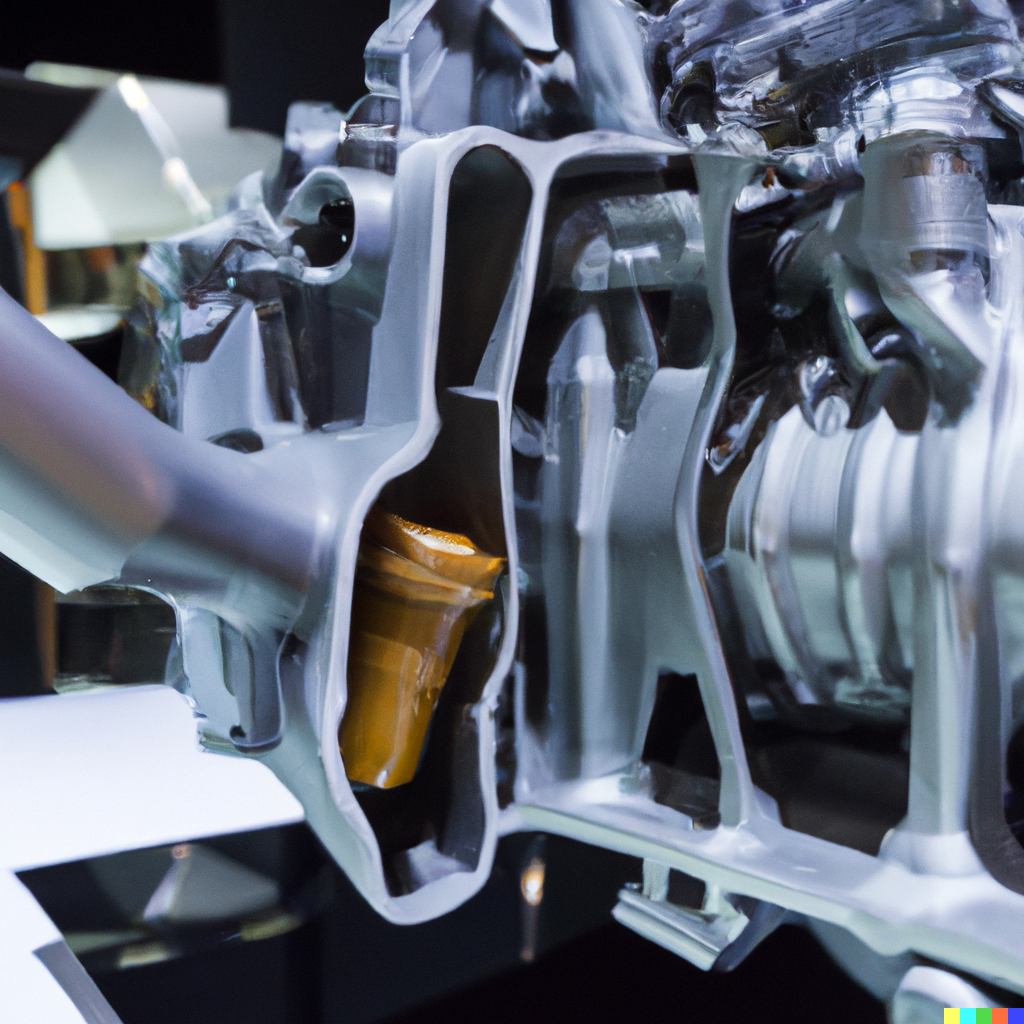
The automotive industry is in the midst of its most transformative era since the invention of the internal combustion engine. What began as incremental innovation—better engines, smoother transmissions, safer brakes—has evolved into a technological revolution. Today’s AutoTech landscape blends software, hardware, data, and AI to fundamentally reshape the way humans move.
From autonomous driving to electrification, and from connected car ecosystems to predictive maintenance, the future of mobility is intelligent, efficient, and deeply integrated with the digital world. Here’s a detailed look at the key technologies defining the next decade of automotive innovation.
Electric vehicles (EVs) are no longer futuristic prototypes—they’re mainstream products. Regulatory pressure, consumer demand, and environmental priorities have aligned to accelerate EV adoption globally.
Electrification is the foundation upon which the future automotive ecosystem is being built.
Autonomous driving is progressing rapidly thanks to advancements in AI, machine learning, and sensor technology.
Current systems, like ADAS (Advanced Driver-Assistance Systems), are stepping stones to full autonomy. Features such as lane-keeping, automatic emergency braking, and adaptive cruise control are now common even in mid-range vehicles.
Even so, the industry is inching closer to Level 4 and Level 5 autonomy, particularly in controlled environments like logistics hubs and robotaxi fleets.
Connectivity is reshaping how drivers interact with vehicles—and how vehicles interact with the world.
Modern cars are essentially mobile IoT devices gathering and transmitting data continuously. This leads to improved safety, better performance, and more personalized user experiences.
Artificial intelligence is enabling vehicles to diagnose—and sometimes fix—problems before owners even notice them.
This technology reduces downtime, prevents accidents, and extends vehicle lifespan. It is especially transformative for commercial fleets.
For decades, cars were defined by mechanical engineering. Today, they’re increasingly defined by software.
In SDVs, hardware becomes a stable platform while software continually evolves—just like smartphones.
Environmental responsibility extends far beyond EV powertrains.
Sustainability is becoming a core metric for both automakers and consumers.
Urbanization, congestion, and changing consumer preferences are shifting the focus from car ownership to mobility solutions.
As transportation becomes increasingly digital, vehicles will serve as nodes in a larger mobility network, not standalone products.
The convergence of electrification, automation, connectivity, and AI paints a clear picture of the future: vehicles will become cleaner, smarter, safer, and more integrated into everyday life.
Automotive technology is no longer just about engines and metal—it’s about data, intelligence, and seamless mobility.
SHARE THIS:
© Copyright 2026Global Trailblazer AwardsAll Rights Reserved